Manifold Garden
By William Chyr Studio
Rotate gravity and use repeating architecture to navigate a world that refuses ordinary spatial expectations.
TAKE A CLOSER LOOK
Inside the game

THE QUICK INTRODUCTION
What’s it all about?
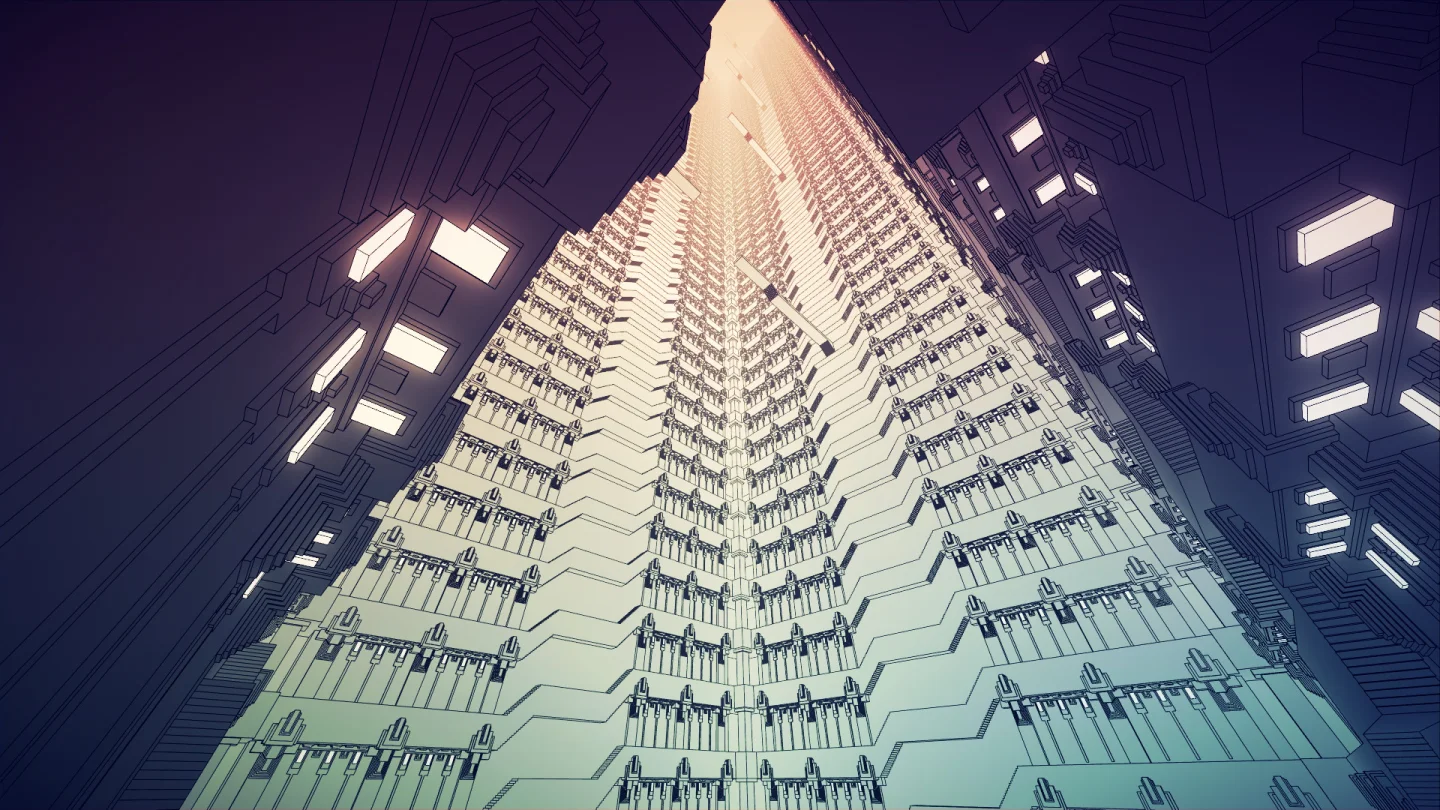
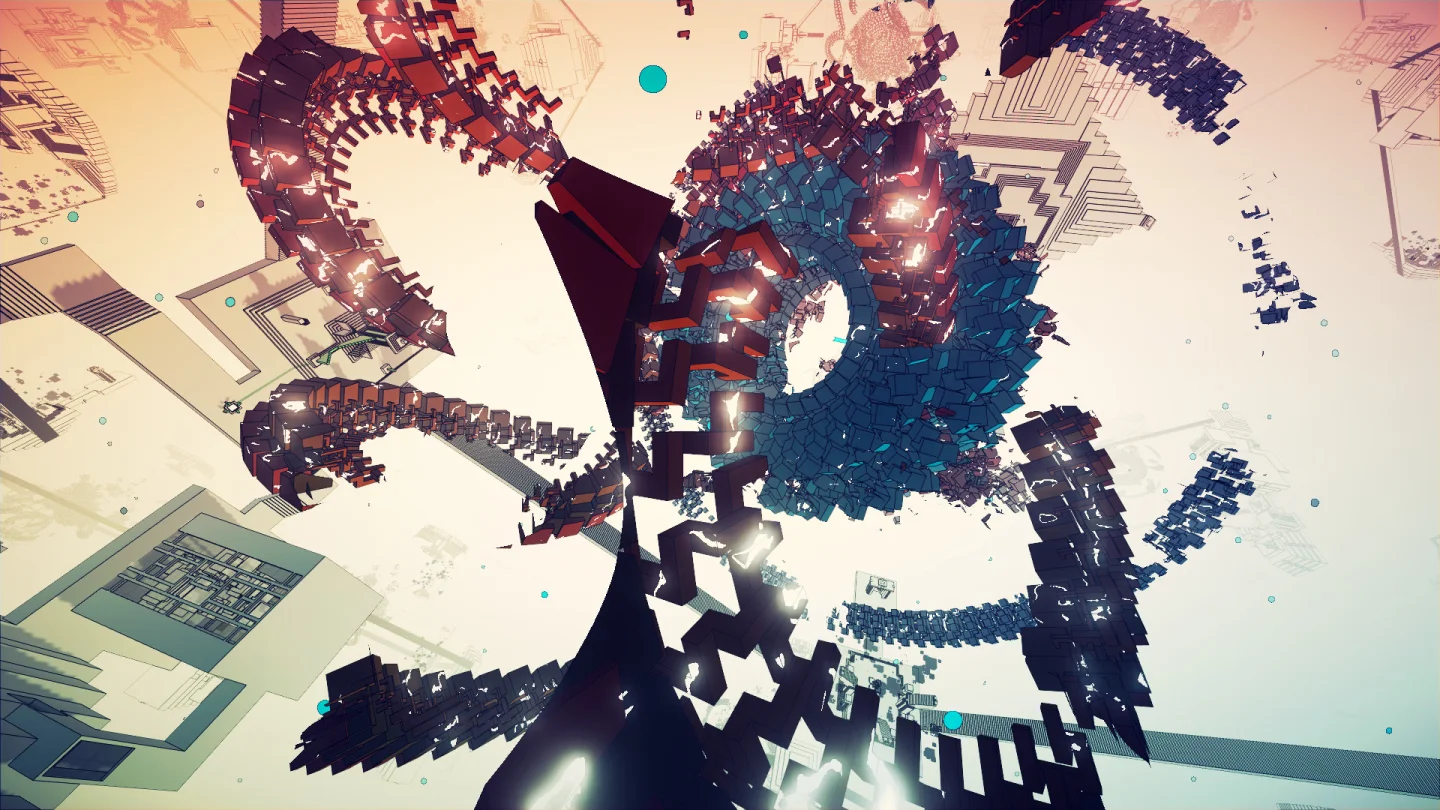
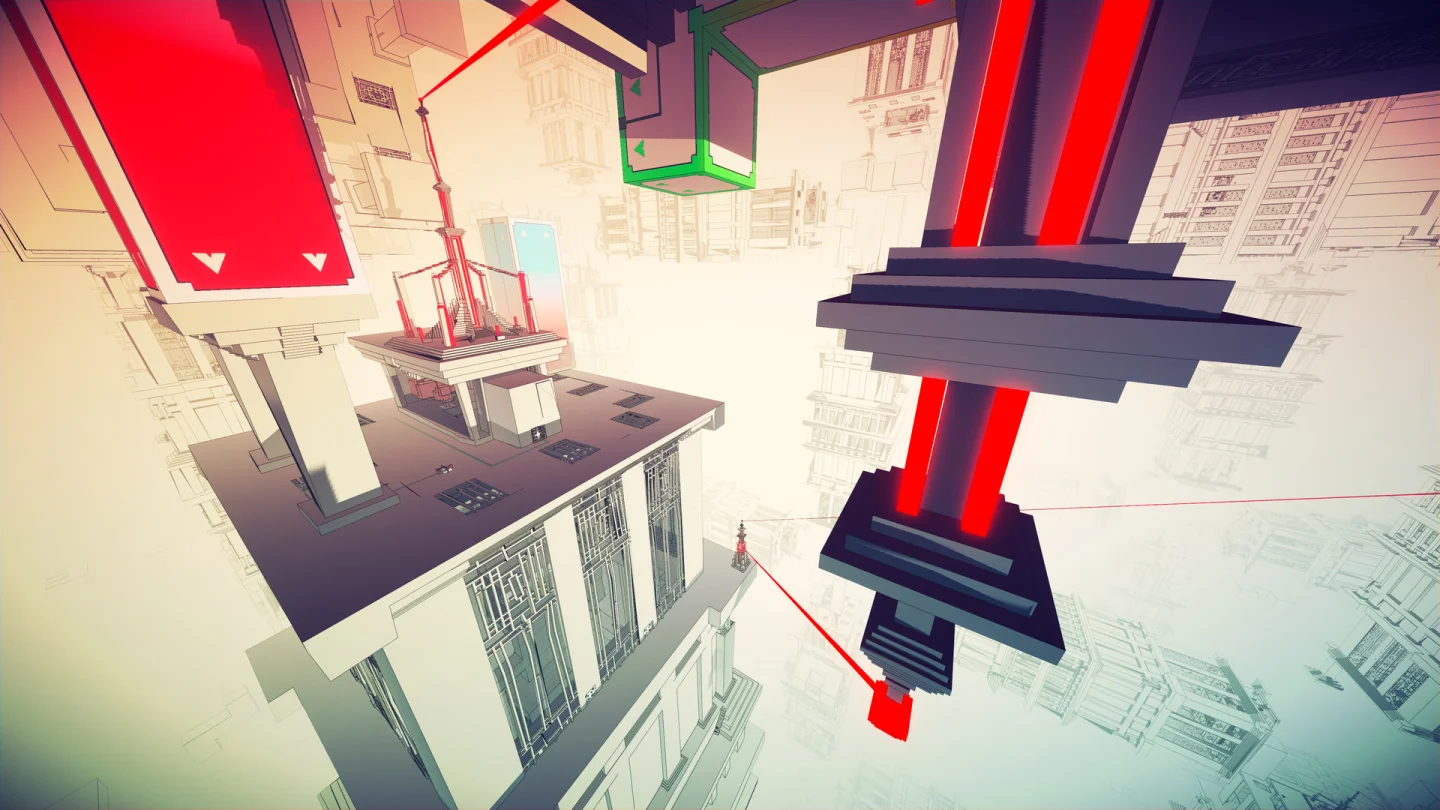
Manifold Garden asks you to reconsider which surface counts as the floor. Changing gravity makes walls traversable and alters how objects behave, while repeating architecture turns apparent distance into another part of the puzzle. The clean geometry helps make those strange relationships readable.
The challenge is less about quick reactions than learning a consistent set of unfamiliar rules. A useful object may work only under one orientation, and walking toward a destination may not be the most direct way to reach it. It suits players who like abstract spaces and a puzzle that changes their sense of direction. Its former Apple Arcade listing could not be verified as currently available, so this entry links the verified PC release.
Release and platform details
Developer: William Chyr Studio. Publisher: William Chyr Studio. Steam edition release date: Oct 20, 2020. Desktop systems listed on Steam: Windows.
The official support page still mentions Apple Arcade, but its former App Store listing is unavailable. We could not verify a current iOS download, so the available link here is for PC.
Official sources
Store information checked on 15 October 2026. Availability, device requirements and optional purchases can vary by region and platform.
Artwork and image credits
Image credit: William Chyr Studio. The official cover and gallery images come from the developer/publisher’s Steam listing. Gallery images represent the PC store edition and may include promotional panels. Mobile editions may look different. Images belong to their respective owners.
Your kind of game if…
You enjoy impossible-looking architecture and learning the rules of a coherent spatial puzzle world.
GET OFF TO A GOOD START
How to play
- Test how gravity changes both your position and nearby objects.
- Look for a different surface from which to view an obstacle.
- Observe how the repeating world changes a route.
- Move one object at a time to understand its role in a solution.